Two launches, same first day
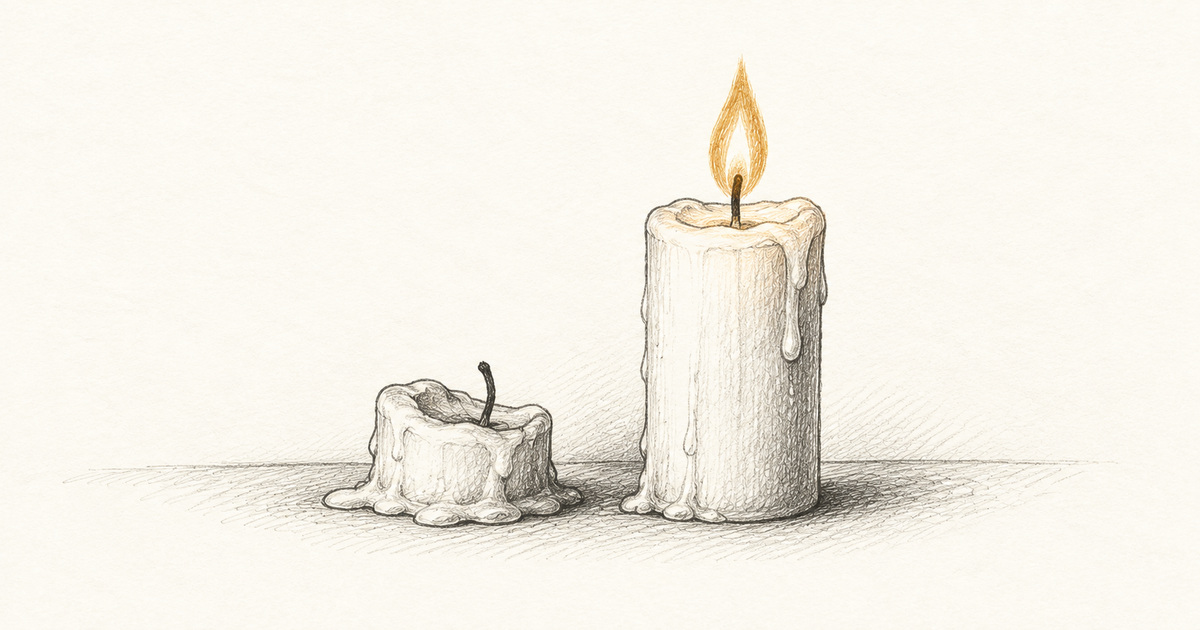
Imagine two products with a similar first day: similar visitors, similar signups, similar excitement. A year later, one has steady visitors and the other has none. What separates them is rarely the first day. It is what was left in place after it.
We cannot give you a statistic for this, and we will not invent one. What we can describe is the pattern we expect, based on how search and other discovery routes work.
The one that dies
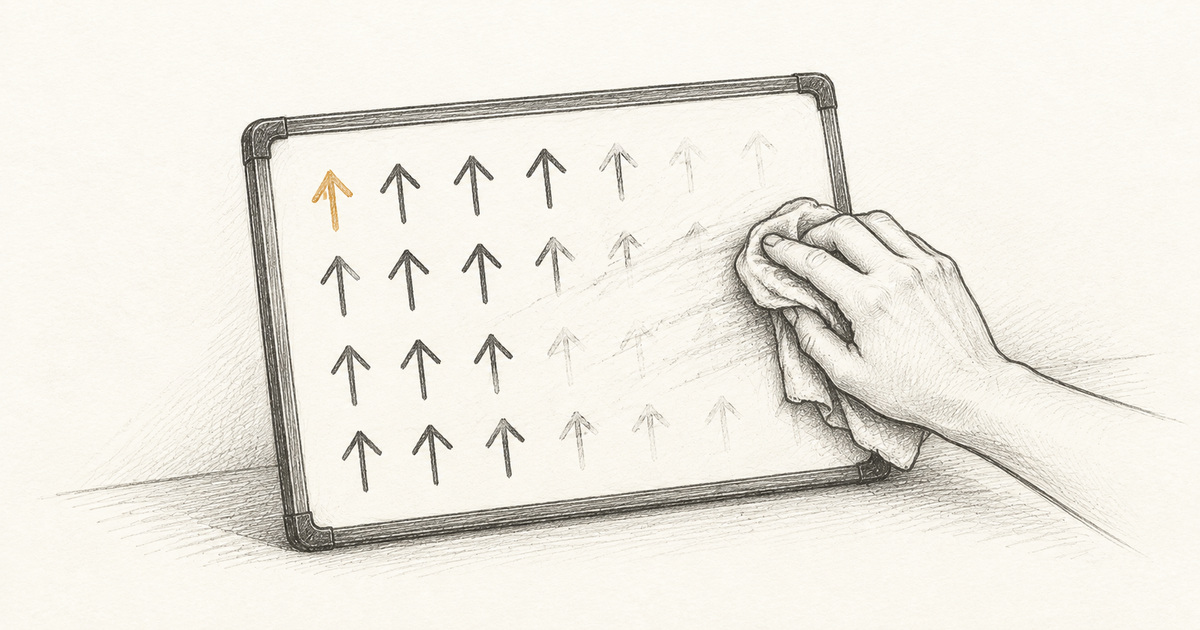
Its footprint is thin. A short listing that quickly moves down a page. A few posts on social platforms where content ages fast. A product page that says little. A name that is hard to search.
After the event ends, the only places that mention the product are hard to find, so nobody finds it.
The one that lasts
Its footprint is wider and slower to fade.
- Pages with real text. An interview, a review, a guide, each at its own stable address.
- Pages from other sources. At least some of what is written about the product was written by someone else.
- A clear home base. The product’s own pages explain what it is in plain language. See the pages every product needs before launch.
- Links between them. The pages point to each other and to the product.
When someone searches or asks an AI system a question related to the product, there is something to find and quote.
What the founder controls
You cannot control whether a day goes well. You can control what you leave behind.
- Write the clearest possible description of the product, in text.
- Seek independent coverage that stays online.
- Publish a founder’s account of why the product exists.
- Keep the pages up to date.
None of these needs a large audience. All of them take time before launch day, not on it.
What to avoid
Do not put all your effort into the day. Do not rely on pages that are designed to disappear from view. Do not treat a ranking as a result. Permanent coverage versus a ranking day sets out the difference.
A simple test
Six months from now, if someone searched for your product category, would a page about you appear? If someone asked for a description of your product, would anything credible exist to describe it? If the answer is no to both, the launch is likely to fade.
A comparison of footprints
Imagine you could list every page that mentions your product a year after launch. For the launch that died, the list might be a handful of short entries, most of them now hard to reach. For the launch that lasted, it might include the product’s own pages, an interview, a review, a guide to the problem and a few mentions elsewhere, each at a stable address.
The second list is not necessarily longer in every case. What matters is that its entries are readable, specific and still online.
What the founder can do in the first month
- Write the account of why the product exists and publish it on your site.
- Ask for an independent description and agree where it will live.
- Answer the questions people ask in public, and write the best answers as pages.
- Keep notes of changes to the product and publish a dated update page.
Each action adds to the footprint, and none of them needs a large audience.
What to avoid
Do not count only first day numbers. Do not assume a listing will stay visible. And do not let the pages that describe the product go stale, because a page that is wrong can do more harm than none at all.
A test after a month
Ask someone who has never heard of the product to find out what it does using only a search engine. If they succeed quickly, the footprint is working. If they struggle, you know where to start.
Related
The half-life of a launch explains why attention fades at different rates. For the wider argument, see product launch strategy: why some launches still bring traffic six months later.