Think in assets
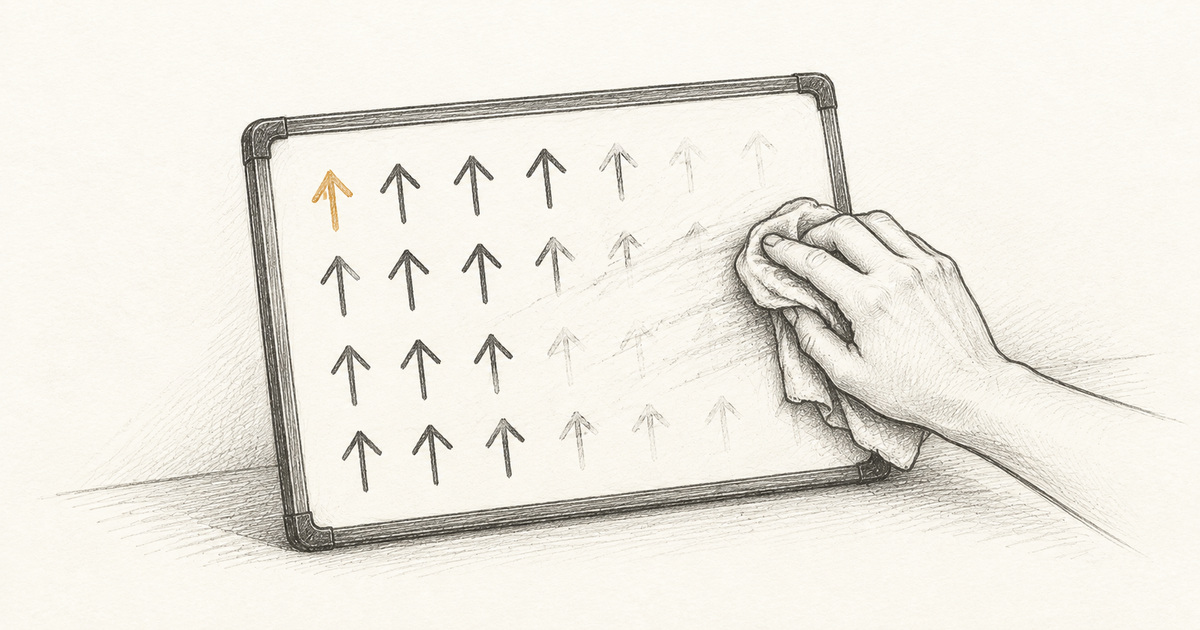
An announcement is used once. An asset keeps being used. When you plan what to publish around a launch, ask of each piece: will someone find this and value it a year from now?
The pieces worth having
A plain description of the product. What it is, who it is for, what it costs. On your own site, in real text. See product page SEO for a startup.
The story of why it exists. An honest account of the problem you saw and what you tried. This can be an about page or an interview. See what a founder interview is actually worth.
An independent assessment. A review or a description by someone else. See what an honest review does that a badge does not.
Answers to common questions. The things people ask, in text. This both helps users and gives search systems something to match.
A short guide to the problem. A page that helps someone with the problem whether or not they use your product. It earns links and trust.
A page of limits. What the product does not do. It prevents wasted time and builds confidence.
A changelog or update page. A dated list of what has changed. It shows the product is alive and lets others cite specific versions.
Habits that keep them working
Date things. A dated page can be trusted and updated. An undated one ages badly.
Correct and revise. When something changes, update the page and note the change.
Link them together. Each page should point to the others that are relevant.
Keep the addresses stable. Do not rename or move pages without redirects.
Write for a reader who arrives cold. Someone who has never heard of the product should be able to understand the page alone.
What not to rely on
Social posts, short lived listings and anything built to scroll past. Use them for attention and point them at the permanent pages.
A small plan
Before launch, write the description, the about page and the questions page. At launch, publish the founder account. In the weeks after, seek an independent assessment and write the problem guide. Each month, review and update.
A publishing calendar for a quiet month
You do not need to publish every week. A simple monthly plan:
- Week 1: Review your pricing and product pages. Correct anything out of date.
- Week 2: Answer one real question from a user as a page.
- Week 3: Update the changelog and note what changed.
- Week 4: Ask whether anyone has written about the product. Link to anything credible.
This takes a few hours a month and keeps the pages current.
What to write about the problem
The best pages about the problem are those you would send to a friend who is struggling with it. Plain steps, honest limits and no pitch. If the page helps, people share it. If it also mentions the product at a fitting point, some will try it.
Pages to avoid
Thin pages written to catch search terms. Copied descriptions. Pages that repeat each other. They add to the site without adding value, and they can make the good pages harder to find.
Archiving and redirects
When a page is no longer useful, do not delete it quietly. Redirect it to the most relevant current page, or add a note saying it is out of date. Old addresses may be linked from elsewhere, and a redirect preserves that value.
Related
For why this matters, read the half-life of a launch and permanent coverage versus a ranking day. For the pillar, see product launch strategy: why some launches still bring traffic six months later. If you want an independent record, you can submit your launch.