What a referral waitlist is
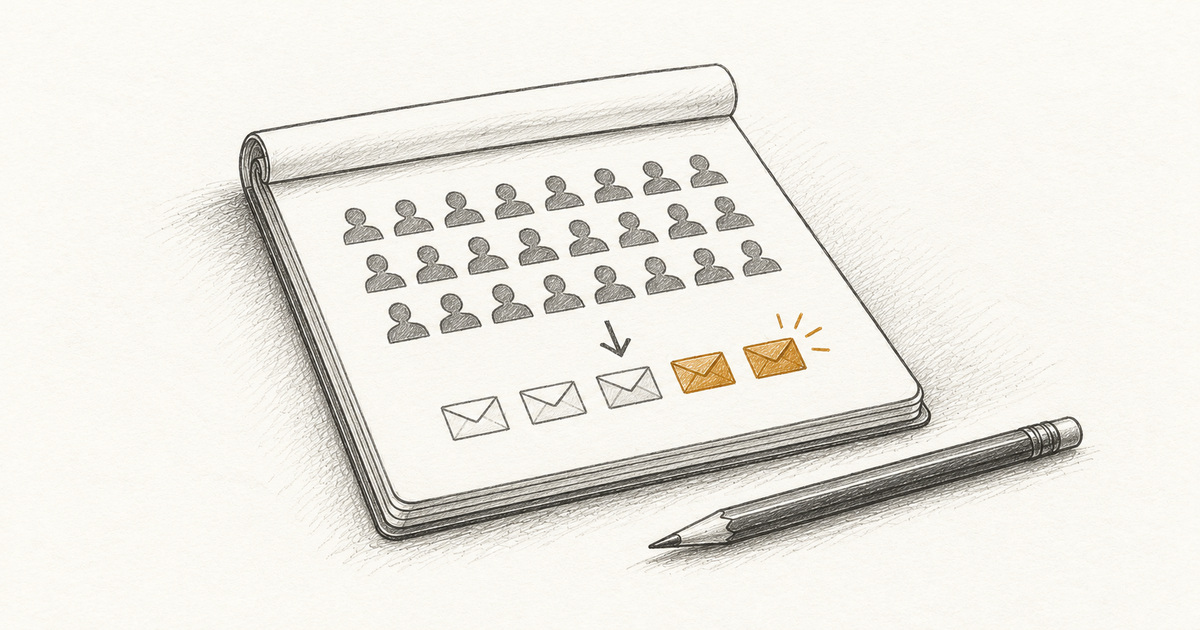
A referral waitlist gives each subscriber a personal link. When someone signs up through that link, the original subscriber moves up the list or earns a reward. The idea is that your early supporters bring in their own contacts, so the list grows without extra spending.
It is a real technique, and it works for some products. It is also frequently misused.
When it fits
A referral mechanic makes sense when three conditions hold.
The product is shareable. People recommend things that make them look good or that help a friend. A product used privately, such as a tool for managing personal finances, is harder to refer than one used with others.
The reward is meaningful. Moving from position 900 to 850 on a list is not a reward. Early access that arrives weeks sooner, a lifetime discount, or something tangible and honest can be.
You can deliver the reward. If you promise access to the top fifty people and the product is not ready, you have created a debt.
What it costs you
The main cost is quality. A referral program attracts people who want the reward, and some of them have no interest in the product. The list grows, but the share of real prospects falls. If you later judge your launch by the size of the list, you will mislead yourself. See what a waitlist tells you and what it does not.
There is also a trust cost. If people feel pushed to spam friends, they remember it. A launch that begins with a reputation for pressure is hard to recover from.
How to run one well
Keep it simple. A short explanation, a personal link, and one clear reward. Show people how many they have referred and what the next step earns. Do not hide the terms.
Make the reward match the product. Early access, extended trials, or a say in the roadmap tie the reward to the thing itself. Cash and gift cards attract the wrong audience.
Set an end date and honor it. Tell subscribers when the referral period closes and what you will do with the results.
Measure the quality of referred signups
Track whether referred subscribers open your emails, reply, and later activate, in comparison with subscribers who came from other sources. If referred subscribers are consistently less engaged, the mechanic is inflating your list without improving your launch. Waitlist conversion rates explains how to separate sources.
Reward ideas that fit
Rewards work best when they relate to the product. Some that are honest and deliverable:
- Earlier access for each successful referral, with a clear cap
- An extended free period once the product is live
- A say in the first features, such as a private feedback group for top referrers
- A lifetime discount for the first group, if you can honor it
Avoid cash prizes, gift cards and giveaways. They draw people who want the prize, not the product, and they can make your list look healthier than it is.
Fraud and low quality signups
Any reward invites gaming. People create throwaway addresses, refer themselves or post their link in places that bring no real audience. Basic protections help: require email confirmation, limit how many referrals count in a short time, and review the top referrers by hand before you hand out rewards. Say in the terms that you may disqualify signups that look artificial.
Setting the terms
Write them in plain language. State what counts as a referral, what the reward is, when the period ends, and what happens to subscribers who do not refer anyone. If the rules change, tell people. Clear terms prevent arguments and protect your reputation.
How to judge whether it worked
After the period ends, compare referred subscribers with the rest. Do they open emails at a similar rate? Do they reply? Do they activate once the product is live? If referred subscribers are as engaged as the others, the mechanic extended your reach well. If they are much less engaged, you bought size, not audience, and you should read your list accordingly.
The alternative
If your product does not suit a referral mechanic, direct conversation does more with fewer people. How to get your first 100 signups lays out the manual route, and how to build a waitlist covers the foundations that either approach depends on.
A referral list is one way to arrive at launch with some momentum. What matters afterward is what you do with the people who come. Our overview of what happens after you launch is where to go next.