Traffic is not discoverability
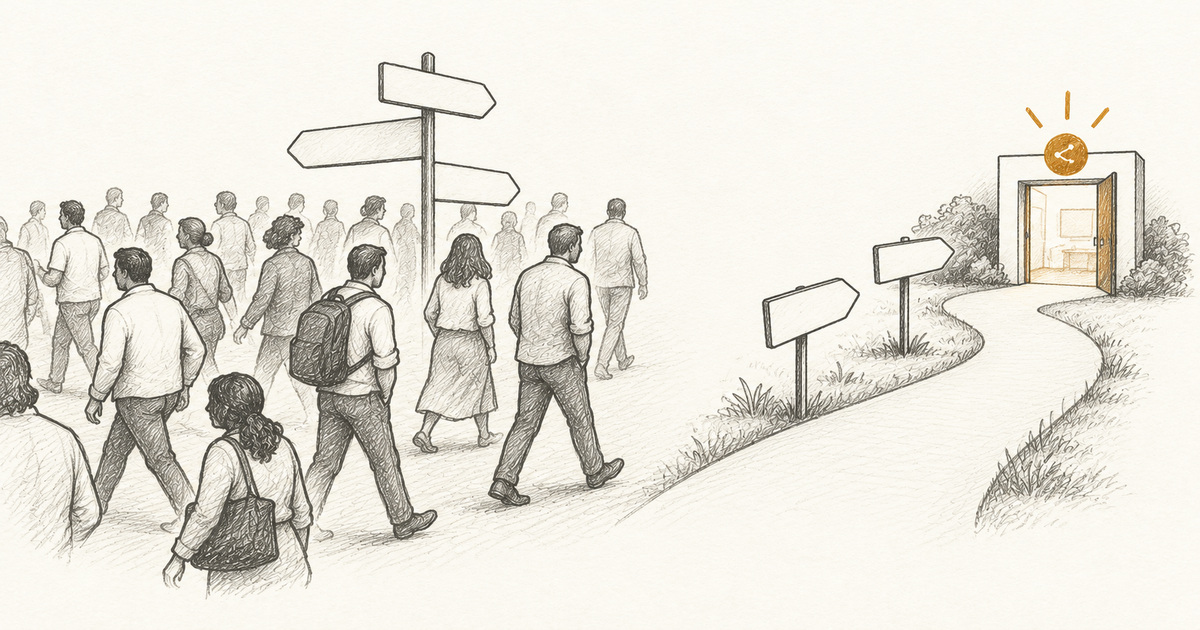
Traffic is how many people visited. Discoverability is how likely a person who needs your product is to find it, today and next year, without you pushing. The two can move independently. A launch can produce a lot of traffic and leave the product nearly undiscoverable, and a quiet product can be easy to find. The difference between traffic and discoverability goes through the distinction.
For a new product, discoverability is usually the more valuable of the two, because it keeps working after your effort stops.
The two audiences for your pages
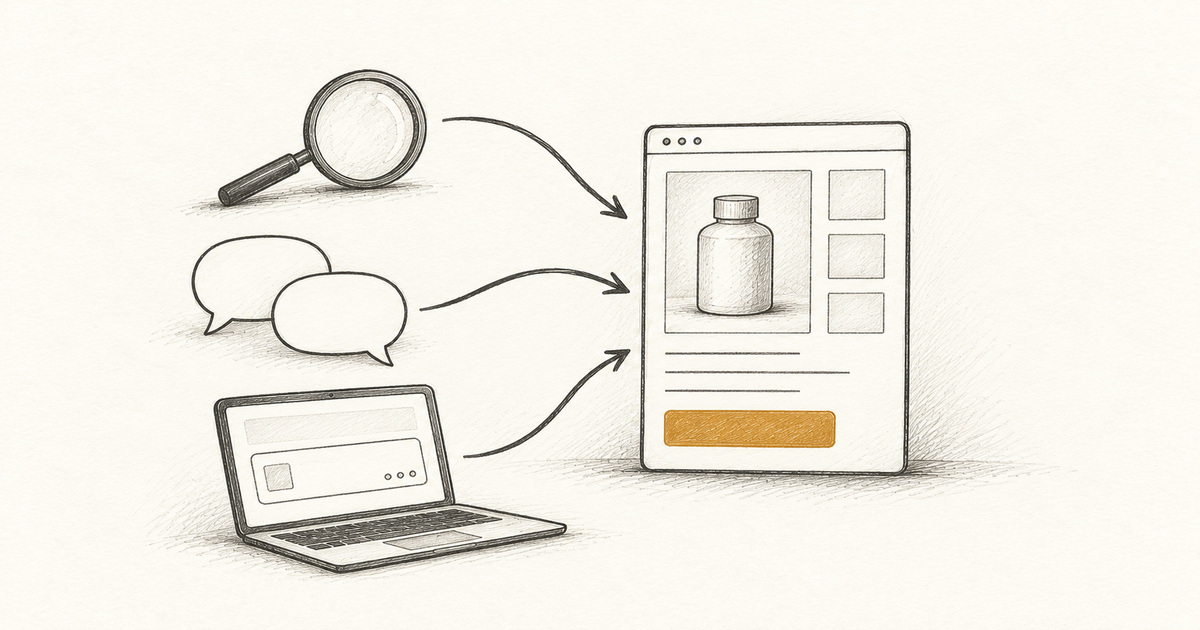
Your pages are now read by two kinds of reader. People, who arrive through search, links and recommendations. And machines: search engines that index pages and rank them, and AI systems that read pages and quote or summarize them when someone asks a question.
Both need the same thing from you: clear, specific, honest text. Neither is impressed by slogans.
What makes a product findable
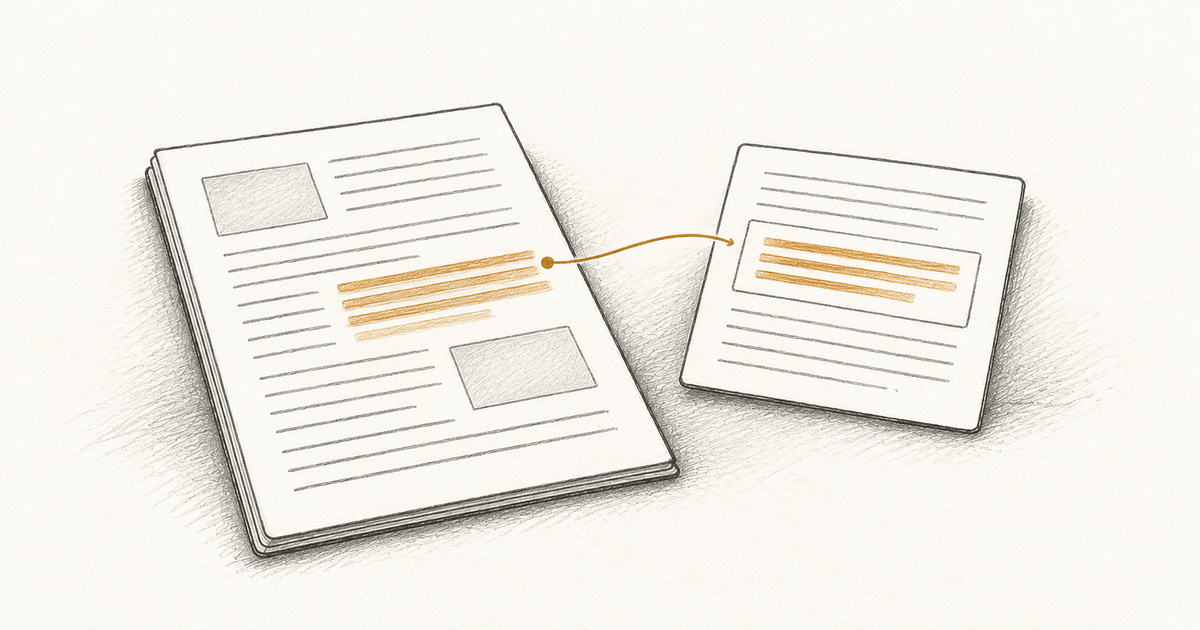
A page that states what the product is. Plainly, in the first lines. See product page SEO for a startup.
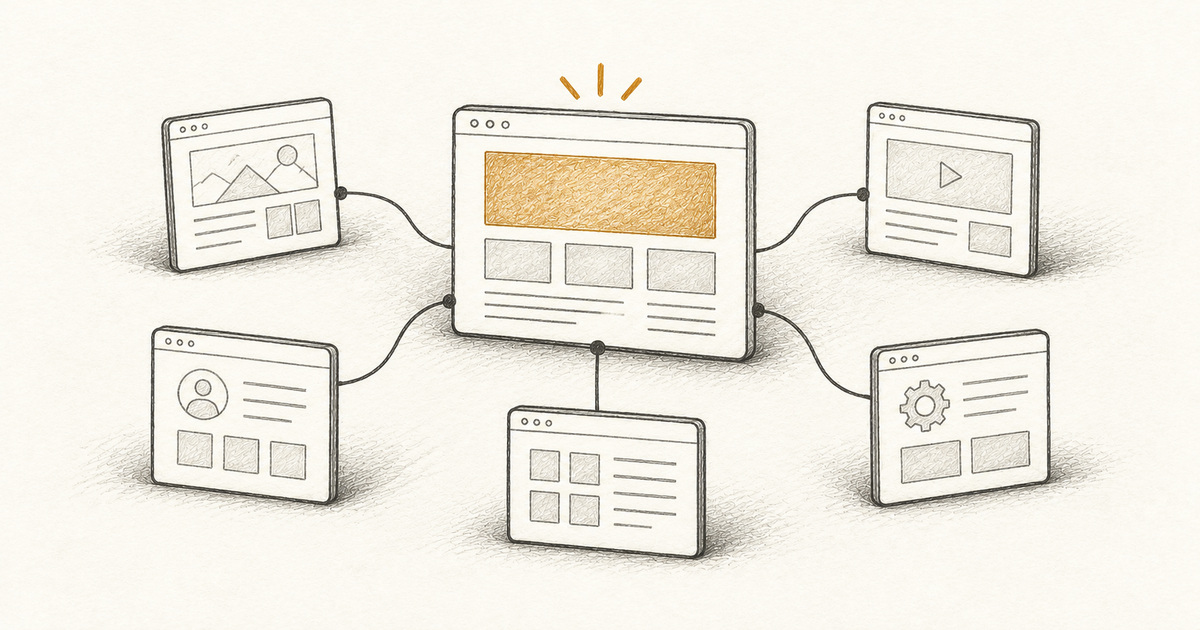
The surrounding pages. Pricing, about, contact, a help page, a page that compares the product with the alternatives. A single page on its own looks thin. See the pages every product needs before launch.
Machine readable structure. Plain headings, accessible text, and structured data where it fits. See schema for a product or a startup.
A name people can search for. A name that collides with common words or other products makes everything harder. See naming, and how findable your product name is.
Independent pages that mention you. Reviews, interviews, and articles on other sites. These are the pages an AI system or a searcher is most likely to trust, because you did not write them.
How AI systems change the picture
When someone asks an AI system a question about tools or products, the answer often draws on pages the system has read. Whether your product appears depends on whether pages about it exist, are readable, and say something specific. What an AI sees when it reads your site explains what that reading looks like.
The aim is not to trick a system. It is to be a clear, citable source on the subject you know best. Getting cited rather than ranked and what makes a page quotable cover how.
Why launches disappear
Many launches leave nothing behind that search can find. The listing is a short blurb, the discussion is on a page that is not indexed, and the product’s own page says little. Why your launch disappeared from search lists the usual causes.
What to do first
If you have a few hours, improve your main product page and add the missing basics. If you have a few days, work through the supporting pages and structured data. If you have weeks, seek independent coverage so that pages you do not control also describe the product.
An order of work that fits a small team
If you are working alone or with a few people, you cannot do everything at once. A sensible order:
- Fix the main product page. Clear title, first paragraph, specific text. See product page SEO for a startup.
- Add the missing pages. Pricing, about, contact, questions. See the pages every product needs before launch.
- Check that machines can read it. View the page without scripts and check what is blocked.
- Add structured data. Once the text is right.
- Write one useful page about the problem. Something a person would search for, answered well.
- Seek independent descriptions. Reviews, interviews, mentions in credible places.
Each step is small. Together they change how findable the product is.
How to check progress
Every month, search for your product name, for the problem it solves and for a few questions your audience asks. Write down what appears and the date. Do not expect a steady climb. Look for slow trends over quarters, and treat single checks as samples, since results vary between people, places and days.
What discoverability does not do
It does not replace a good product. A well described product that does not help anyone will be found and abandoned. It does not guarantee traffic either. It raises the chance that people who need what you make can find it, and it keeps doing so without your constant effort.
Time horizons
Some changes show results in days, such as fixing a broken page. Others take months, such as earning independent coverage and links. Plan for both, and do not abandon the slow work because the fast work is more rewarding.
Permanent coverage
Independent coverage that stays online and indexed is the strongest asset a new product can have. That is what Early Launch publishes: a founder interview and an honest review, as permanent pages, signed by the editor. You can read how we work in how to launch a product on Early Launch, and you can submit your launch when you are ready.